When Your Body Has Been Holding On for Too Long
Nervous System → Spine → Breath → Body → Energy → Integration
Chronic stress. Recurring tension. Persistent discomfort. Shallow breathing. Difficulty switching off. Sometimes the body needs more than another treatment focused only on the place that hurts.
Spinal Synergy Method™ works with the body as an interconnected system — beginning with the nervous system and moving through the spine, breath, body, energy and whole-body integration.
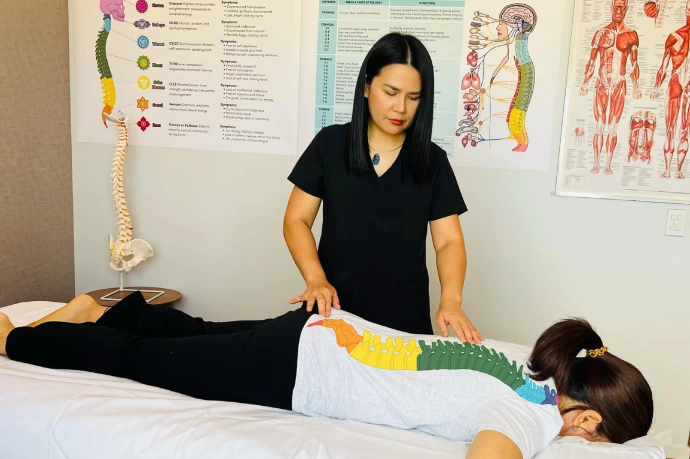
Allowing your nervous system to unwind naturally and gently.
Does This Sound Familiar?
These experiences do not always exist in isolation. The body works as one connected system.

Physical & Structural Tension
- • Recurring neck and shoulder tension
- • Back or pelvic discomfort
- • Persistent muscular tightness
- • Tension that keeps returning after massage or bodywork
- • Fatigue or heaviness in the body
Nervous System & State
- • Feeling physically stressed even when resting
- • Shallow or restricted breathing
- • Difficulty fully relaxing
- • Feeling disconnected from your body
- • A sense that your body is constantly “on”
Rather than focusing only on where discomfort is felt:
Spinal Synergy Method™ looks at how the body functions and organizes itself as one connected system.
Our Six-Part Framework
Each element influences the next, creating a more complete way of understanding tension, stress and whole-body balance:
1. Nervous System
Where We Begin
The nervous system influences how the body responds to stress, touch, movement and environment. Prolonged pressure keeps the body in high alert, impacting muscular tension, sleep, posture, and the ability to relax. We create the conditions that allow relaxation to become possible.
2. Spine
The Central Axis
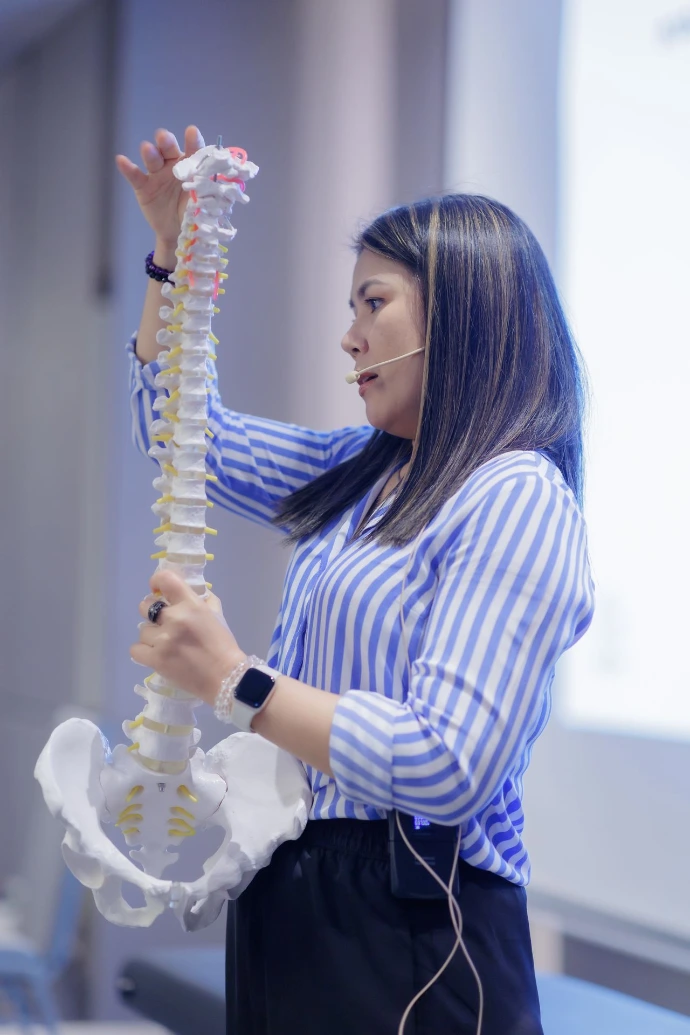
The spine connects the head, rib cage and pelvis. Tension in one region influences how other areas compensate. We observe relationships across the head, neck, shoulders, rib cage, pelvis and sacrum to understand how the body is organising itself—without forcing the spine into position.
3. Breath
A Window Into the Body
Breathing changes under pressure—becoming shallow, restricted or held. During a session, practitioners observe the natural breath rather than trying to control it. As the nervous system and body settle, breathing organically becomes deeper, easier, and more rhythmic.
4. Body
The Body Holds Patterns
Stress shapes how we stand, breathe and hold tension—manifesting as raised shoulders, tight jaw, or rigid back. Instead of asking “How do we force this muscle to release?”, we ask: “Why might the body still feel the need to hold here?” and work with it respectfully.
5. Energy
The Subtle Experience
Wellbeing is described in terms like heavy, light, blocked, grounded, or depleted. We recognise this energetic dimension as a complementary wellness framework alongside touch and breath—honouring your subjective experience without replacing medical healthcare.
6. Integration
Bringing the System Together
Nervous system, spine, breath, body and energy are parts of one whole. Integration allows the body to process and settle, moving toward a greater sense of ease, connection and balance without demanding dramatic, jarring reactions.
Why Gentle Touch?
Gentle Does Not Mean Superficial
When the body is already under stress, more force is not always the answer. Strong pressure may feel helpful for some, but for many it causes the body to brace or resist.
Spinal Synergy Method™ uses slow, precise and gentle touch. The practitioner observes how the body responds rather than forcing it to change.
Less Force. More Precision. More Listening.
What Makes Spinal Synergy Different?
- We do not work only where it hurts: Looking beyond isolated symptoms at whole-body patterns.
- We do not force change: Non-force approach without aggressive manipulation.
- We observe before we intervene: Adapting to breathing, posture, sensitivity and spinal relationships.
What We Support
Spinal Synergy Method™ may be suitable for people seeking complementary support for:
Chronic Stress
When the body feels constantly alert or unable to fully settle and rest.
Recurring Tension
Ongoing tension through neck, shoulders, back, hips or multiple interconnected areas.
Physical Discomfort
When discomfort repeatedly returns and you would like a holistic whole-body approach.
Difficulty Relaxing
When stopping work or lying down does not make your muscles or mind feel relaxed.
Stress-Related Body Patterns
Shallow breathing, jaw clenching, raised shoulders, rigid posture or physical bracing.
Body–Mind Disconnection
When it feels difficult to sense, understand or reconnect with your physical body.
Energy Imbalance
For those open to subtle-energy awareness alongside intentional touch and bodywork.
What Happens During a Session?
A calm, structured experience honoring your body's individual pace and comfort.
1. Consultation
Discussing your concerns, health history, stress patterns and what you would like support with.
2. Observation
Observing posture, breathing, movement, structural relationships and how your body responds to touch.
3. Gentle Contact
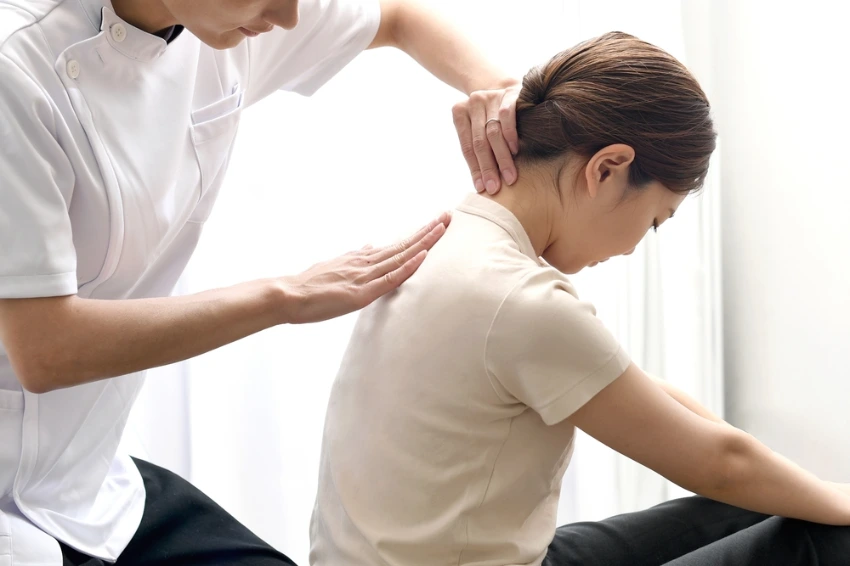
Light, precise contact along the cranial–spinal–sacral axis. No forceful spinal manipulation.
4. Nervous System Support
Calm pace using touch, pauses, breathing and body awareness to allow the system time to respond.
5. Integration & Aftercare
Time allowed for the body to settle, reflecting on observations and providing aftercare guidance.
What Might You Experience?
Every person is different. You may notice deeper breathing, warmth or tingling, heaviness or lightness, yawning, sighing, small spontaneous movements, emotional responses, or simply quiet relaxation. You may also feel very little—there is no single “correct” response.

Developed by Pimjai Lancaster
“The place that hurts does not always tell the whole story.”
Pimjai Lancaster is the founder and developer of Spinal Synergy Method™, Spinal Synergy Therapy™ and Spa Born Academy.
With more than 17 years of professional experience in massage, spa and holistic wellness and more than 9 years in professional education, she has trained more than 3,000 students internationally.
Her work developed from observing recurring patterns in clients experiencing chronic tension and stress. Rather than continuing to work only on individual muscles, she explored how the nervous system, spine, breathing, body patterns and subtle-energy awareness could be brought together within one practical framework.
Find a Certified Spinal Synergy Practitioner
Spinal Synergy Method™ is offered by practitioners who have completed professional training through the Spinal Synergy Therapy™ education pathway.
Search Practitioner Network
Connect with practitioners across international regions:
Frequently Asked Questions
Clear answers to help you understand our gentle, whole-body approach.
Is Spinal Synergy Method™ massage?
It is a hands-on bodywork method, but different from conventional massage. The focus is not simply on kneading or applying pressure to muscles. The session considers the nervous system, spine, breathing, whole-body tension patterns and body awareness.
Do you manipulate or crack the spine?
No. Spinal Synergy Method™ is a non-force approach and does not rely on high-velocity spinal manipulation or popping joints.
Is the treatment painful?
The method is generally gentle. Your practitioner works within your comfort level and adapts the session continuously according to your response.
How many sessions do I need?
There is no fixed number. Some people use Spinal Synergy as an occasional wellness session, while others choose a series of sessions when dealing with long-standing patterns of tension or stress.
Can Spinal Synergy cure chronic pain?
Spinal Synergy Method™ does not diagnose or cure medical conditions. It is a complementary wellness approach designed to support relaxation, body awareness and reduced tension. Persistent or unexplained pain should be assessed by a qualified healthcare professional.
Can I receive it alongside medical care or physio?
In many cases, yes. Spinal Synergy Method™ may be used as a complementary wellness approach where appropriate. Always inform your practitioner about relevant medical conditions, injuries and current treatments.
Are You a Therapist or Wellness Professional?
Spinal Synergy Method™ is taught professionally through the Spinal Synergy Therapy™ education pathway.
Professional education focuses on developing practitioners who understand the method's core framework: Nervous System → Spine → Breath → Body → Energy → Integration.
Your Body May Not Need More Force.
It may need a different kind of attention.
A way of working that listens to the nervous system, understands the spine, observes the breath, respects the body, acknowledges energy and allows everything to integrate.