How Does Spinal Synergy Method™ Work?
Gentle, Non-Force Bodywork Focused on Nervous System Awareness, the Spine, Breath, and Whole-Body Integration
Spinal Synergy Method™ is a gentle, non-force holistic bodywork method developed by Pimjai Lancaster, founder of Spa Born Academy. The method combines precise touch, nervous system awareness, breathing observation, and a whole-body perspective to create an individualized wellness experience.
Rather than relying on strong pressure or forceful spinal adjustments, Spinal Synergy Method™ emphasizes comfortable contact, careful observation, and the relationship between different areas of the body.
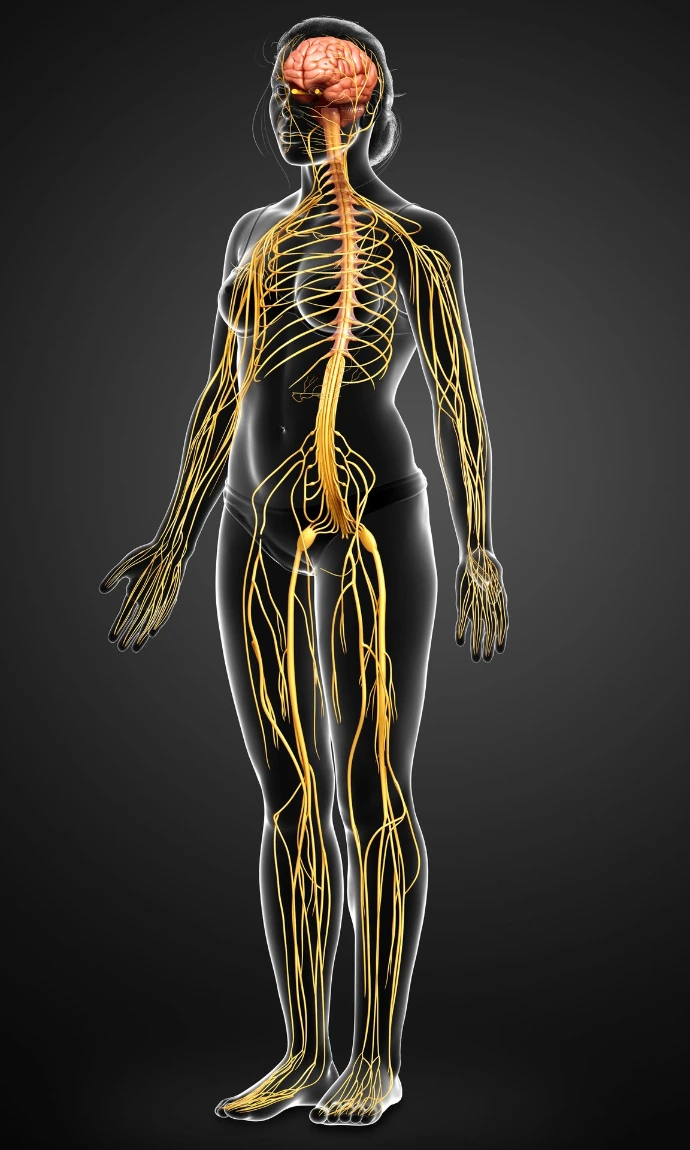
Why Focus on the Whole Body?
The human body functions through interconnected systems. Stress, breathing patterns, posture, movement, muscular tension, and sensory experiences can influence how comfortable we feel in our bodies.
For example, someone experiencing neck and shoulder tension may also notice shallow breathing or increased muscular bracing during stressful periods. Spinal Synergy Method™ encourages practitioners to consider these relationships rather than focusing exclusively on the location of discomfort.
“The aim is not to force the body into a particular position or response, but to offer gentle, individualized bodywork while remaining attentive to the person's comfort.”
Spinal Synergy Method™ is a complementary wellness approach. It is not intended to diagnose, treat, or cure medical conditions.

The Six Elements of Spinal Synergy Method™
Explore how each interconnected element guides an individualized, gentle-touch session:
1. Nervous System
A Nervous System–Informed Approach
The nervous system responds continuously to our surroundings, movements, sensory experiences, and emotional demands. Sustained stress may produce muscular tension, restlessness, changes in breathing, or difficulty feeling relaxed. Practitioners observe comfort, adjust pacing, and use non-force touch instead of automatically increasing pressure.
Gentle touch, comfort, and nervous system awareness (without claiming to reset neurological pathways).
2. Spine
Central Axis & Relationship
The spine connects the head, rib cage, and pelvis through bones, joints, muscles, and connective tissues. Posture, movement, and muscular activity affect how these regions work together. Unlike manipulation involving rapid thrusts, Spinal Synergy Method™ uses gentle, controlled contact to support structural awareness.
Structural awareness without high-velocity or forceful spinal adjustments.
3. Breath
Breathing Awareness During Bodywork
Breathing reflects physical activity, emotional state, posture, and tension. Stress often produces shallow breathing or bracing around chest and shoulders. Practitioners observe natural breathing patterns without imposing rigid exercises or forced breathing protocols.
Breath awareness and comfortable, natural breathing rhythm.
4. Body
Muscular Tension & Movement Patterns
Muscles and fascia adapt to prolonged sitting, repetitive tasks, exercise, and stress. Practitioners observe these broader patterns before selecting techniques. Rather than assuming stronger pressure yields better results, Spinal Synergy Method™ prioritizes touch quality, placement, and comfort.
Precise, individualized bodywork rather than unnecessary force.
5. Energy
Mindfulness & Felt Well-Being
People often describe subjective experiences as grounded, heavy, restless, calm, light, or energized. Energy concepts provide an optional holistic framework for reflecting on these experiences through mindfulness, stillness, and intention, without medical claims.
Holistic awareness and deep respect for individual experience.
6. Integration
Connecting the Whole Experience
Rather than approaching each area as an isolated problem, Spinal Synergy Method™ considers how comfort, movement, breathing, and awareness interact. The practitioner adapts the session continuously to the individual's comfort, providing a cohesive whole-body experience.
Whole-body awareness, comfort, and an integrated wellness session.
Why Gentle, Non-Force Touch?
Some people associate effective bodywork with strong pressure. However, more pressure is not necessarily more appropriate—particularly when someone is sensitive to touch or already bracing under tension.
Less Force • More Precision • More Observation • Greater Client Comfort
Rather than increasing pressure automatically, the practitioner considers:
- How the client responds to touch
- Whether the pressure feels comfortable
- Changes in breathing or muscular tension
- The client's preferences and feedback
- Relevant health information and precautions
Why Not Focus Only on Where It Hurts?
A painful or tense area does not always provide enough information to understand a person's overall experience. For example:
- Neck & shoulder tension may coexist with shallow breathing.
- Back discomfort may occur alongside reduced hip mobility.
- Jaw tension may appear together with neck and facial muscle guarding.
- Prolonged stress may be associated with systemic muscular guarding.
These relationships illustrate why a broader observation of posture, movement, breathing, and muscular comfort can be useful. The goal is to make thoughtful decisions about the client's comfort and techniques rather than chasing symptoms.
What Happens During a Session?
A structured, client-centred process designed to support communication, observation, gentle contact, and integration.
Step 1 – Listen: Client Consultation
Your practitioner begins by listening to your concerns, preferences, and goals. The consultation covers lifestyle, general health, relevant medical history, stress, and previous bodywork experiences to identify precautions and ensure comfort.
Step 2 – Observe: Whole-Body Awareness
Your practitioner may observe posture, breathing, movement, and areas of muscular tension. These holistic observations guide the session without replacing medical assessments.
Step 3 – Contact: Gentle, Precise Touch
Controlled, gentle contact is applied to selected areas (such as the head, neck, spine, rib cage, pelvis, or sacrum). The touch is non-forceful and adapted to your comfort, avoiding high-velocity adjustments.
Step 4 – Allow: Time & Response Awareness
The practitioner allows time for you to experience the contact without requiring a particular reaction. You may notice subtle changes in breathing, comfort, or body awareness—or simply rest peacefully.
Step 5 – Integrate: Completion & Aftercare
At the conclusion, the practitioner invites you to notice how you feel, discuss your experience, provide aftercare guidelines, and discuss whether future wellness sessions would be beneficial.
What Might You Feel During a Session?
Every bodywork experience is different. Possible subjective experiences include:
Others may notice little or no immediate change. These are subjective experiences, not guaranteed clinical outcomes. Always let your practitioner know if any touch feels uncomfortable.
How Is Spinal Synergy Method™ Different From Traditional Massage?
The main differences lie in technique, pressure, session structure, and philosophy:
Swedish Massage
Often uses flowing massage strokes, kneading, and gliding, commonly with massage oil to address superficial tissues.
Deep Tissue Massage
Typically focuses on deeper or more specific soft-tissue muscle work using concentrated pressure and friction.
Spinal Synergy Method™
Focuses on gentle, non-force contact, client comfort, and awareness of relationships among the spine, breath, nervous system, and whole body.
Who Might Prefer Spinal Synergy Method™?
Spinal Synergy Method™ may appeal to people seeking:
- Gentle bodywork without strong or painful pressure
- A relaxation-focused wellness experience
- An approach that considers stress, breathing, and muscular tension
- Greater awareness of breathing and whole-body comfort
- An individualized, holistic wellness session
- Complementary wellness alongside appropriate healthcare
Is Spinal Synergy Method™ Safe?
Spinal Synergy Method™ uses gentle, non-force techniques, but suitability depends on the individual's health, medical history, and the practitioner's qualifications.
Before a session, your practitioner should discuss relevant precautions, seek informed consent, and identify whether the service is appropriate. Injuries, recent surgeries, unexplained symptoms, or acute medical conditions may require medical clearance or referral.
Frequently Asked Questions
Clear answers about techniques, comfort, safety, and expectations.
Experience Spinal Synergy Method™ for Yourself
Gentle Touch. Nervous System Awareness. Whole-Body Integration.
Discover a holistic approach to bodywork that prioritizes comfort, careful observation, and individualized touch. Explore our international network of trained practitioners.